The Breed
Is an Anatolian Shepherd right for you?
The Anatolian Shepherd is a large Turkish livestock guardian: calm, territorial, independent, and deeply loyal to its own people and animals. It suits people with land, something to protect, and the patience to raise a working dog. It is not a conventional pet.
What they are
What is an Anatolian Shepherd?
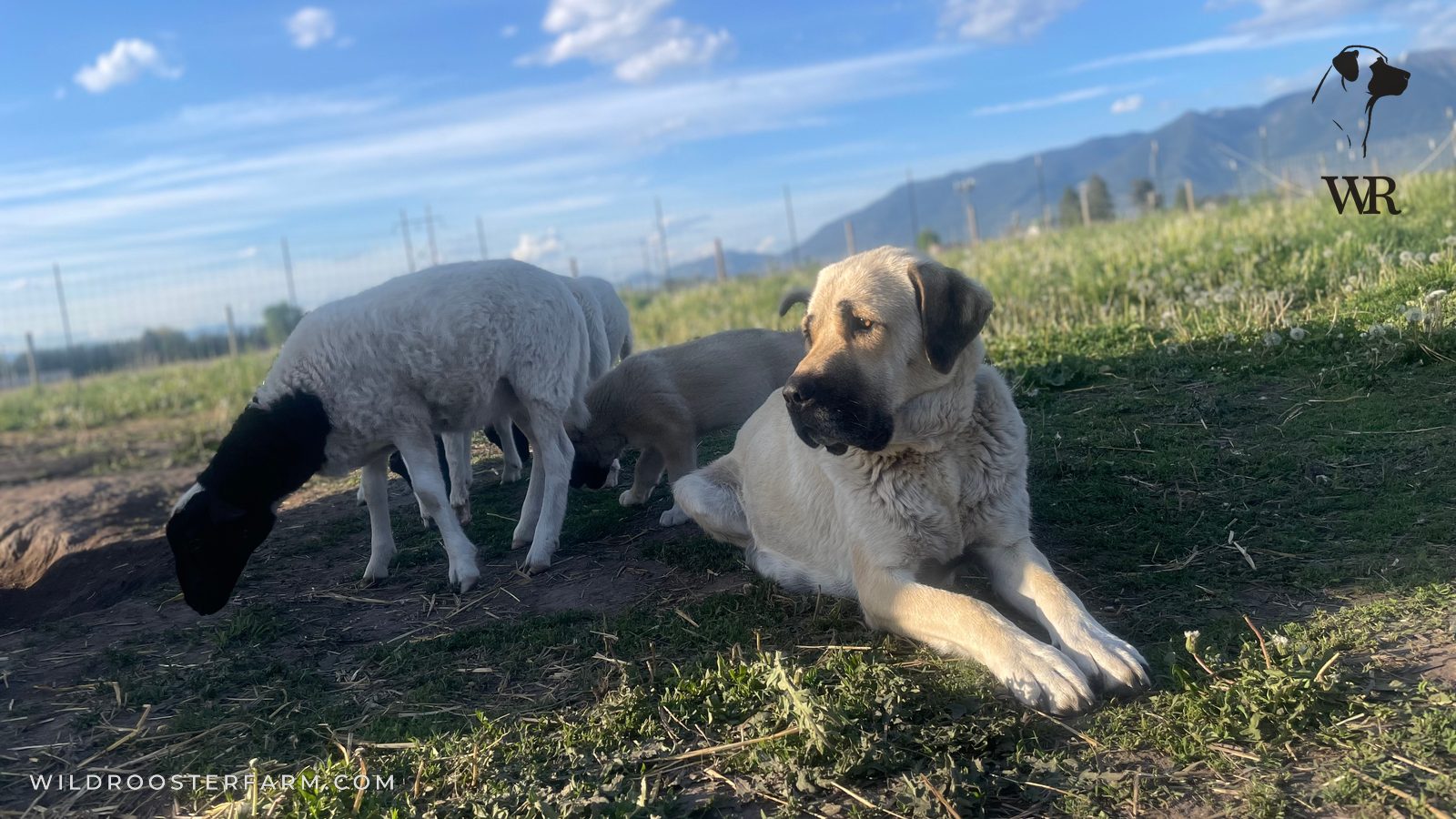
The Anatolian Shepherd comes from Turkey, where the breed club says it is known as the shepherd’s dog. It is a livestock guardian. It lives with its sheep or goats as a member of the flock and protects them. It is not a herding dog.
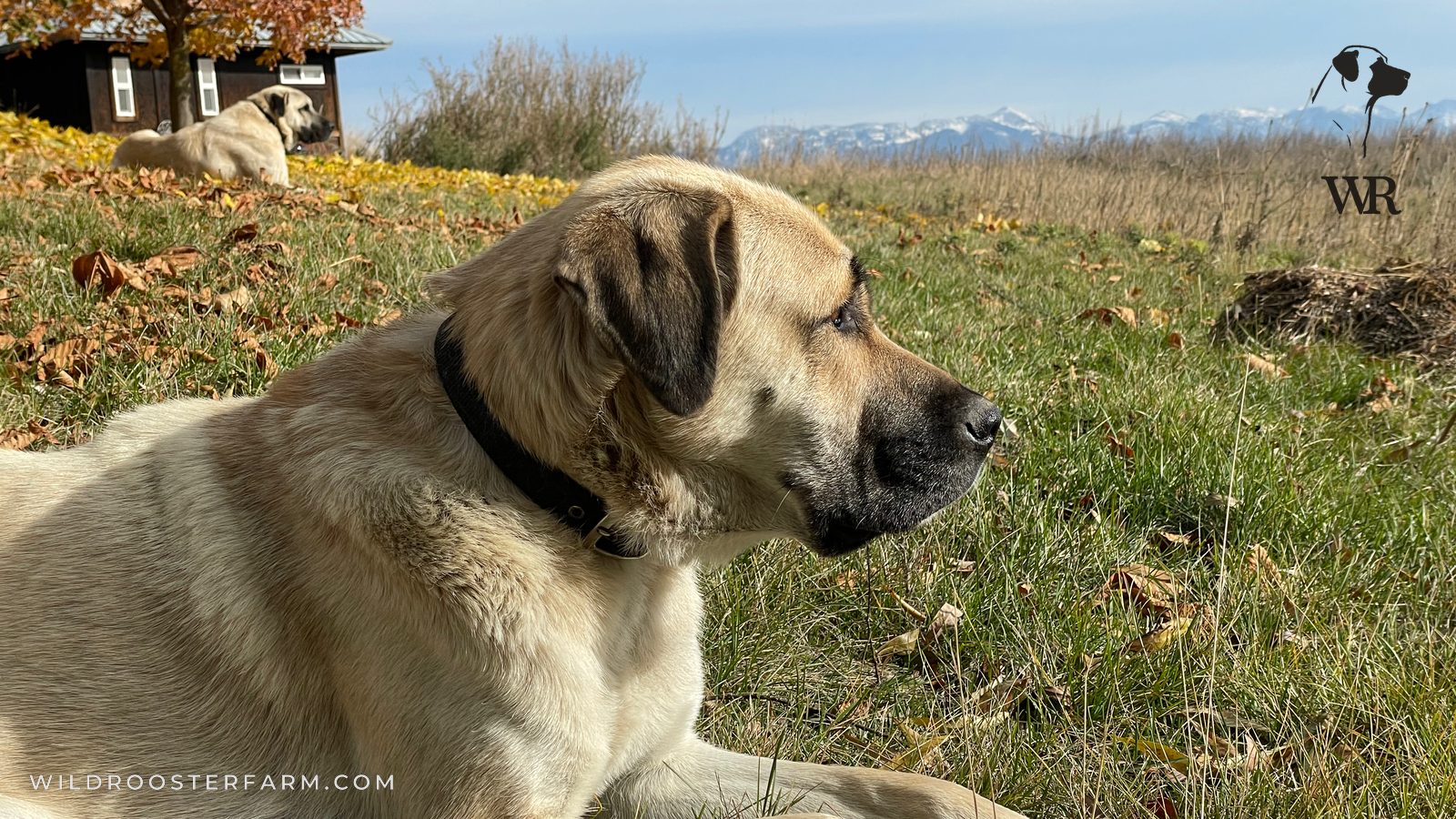
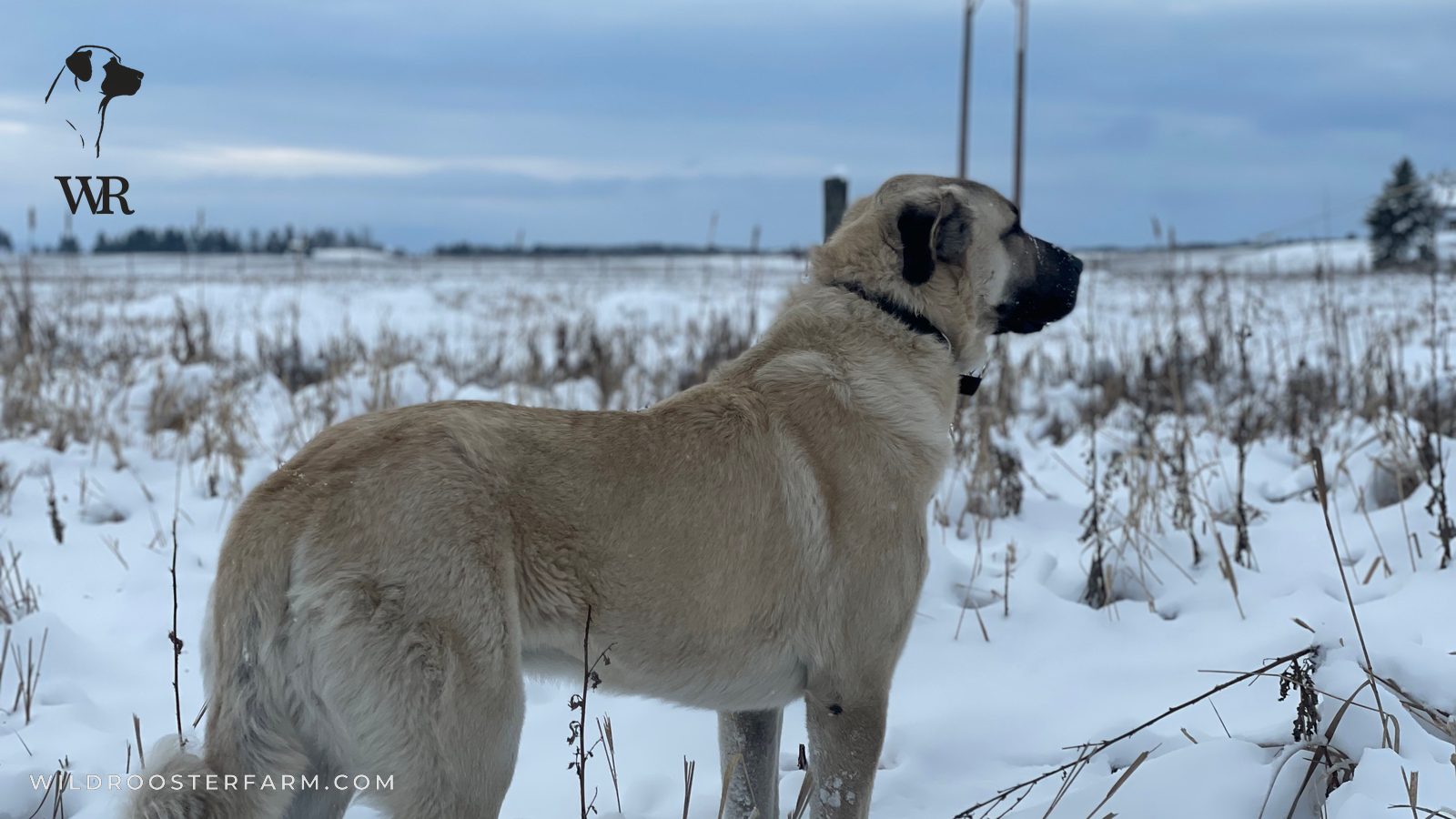
The AKC standard describes a large, rugged, powerful dog with great endurance and agility: males 29 inches or more and 110 to 150 pounds, females 27 inches or more and 80 to 120 pounds. It describes the temperament as alert, calm and observant, very loyal, and highly territorial.
A good Anatolian guards mostly without fighting. The breed club describes the sequence: the dog lets itself be seen, then gives a warning bark, and escalates only if the intruder keeps coming.
What they are not
What an Anatolian is not.
Not a conventional pet. The breed club says most Anatolian authorities agree on that, while noting these dogs can make deeply bonded companions with proper and consistent socialization.
Not a dog that performs on cue. The AKC standard calls the breed loyal and responsive, and also notes that animated responsiveness is not typical of it. These dogs were bred to decide for themselves.
Not an off-leash dog. The breed club says an Anatolian should never be off leash away from its own property. The one possible exception it gives is a completely fenced space where you and your dog can play in private.
Not a dog-park dog. In a producer survey published in 1988, 86 percent of the Anatolians rated were called aggressive to other dogs.
Not a candidate for protection training. The breed club strongly discourages it.
Not finished at eight weeks. Texas A&M’s guardian dog program says a puppy takes 18 to 24 months to become an effective guardian. Our position is that a young Anatolian needs supervision and guidance with stock until about two years old.
Compare
How does the Anatolian compare with other guardian breeds?
The ideal home
Who are these dogs for?
Land
Room to work and a secure fence around it. The breed club calls a five or six foot fence with a locked gate ideal.
Animals
Stock or pets to protect, ideally there from the day the puppy arrives. The breed club says puppies introduced to other animals early often take them into their protective sphere.
People
The breed club says this dog needs a strong, positive leader who consistently requires civilized behavior. It also needs someone with time every day for the first two years.
Questions people ask
- How big do Anatolian Shepherds get?
Males stand 29 inches or more at the shoulder and weigh 110 to 150 pounds. Females stand 27 inches or more and weigh 80 to 120 pounds.
- How long do Anatolian Shepherds live?
The national breed club gives an average of 11 to 13 years in a normal, safe environment. The club adds that working guardians have a high mortality rate, and university figures bear that out.
- Is an Anatolian Shepherd the same as a Kangal?
They come from the same Turkish livestock guardian dogs. Whether they count as one breed or two depends on which kennel club you ask.
- Are Anatolian Shepherds good family dogs?
For the right family, yes. They bond deeply with their own people. They are working guardians, though, and not pets in the usual sense.
- Are Anatolian Shepherds aggressive?
Not toward their own people. They are serious guardians: territorial, wary of strangers, and aggressive toward predators and strange dogs. That is the job they were bred for.
- How much land does an Anatolian Shepherd need?
We do not recommend an Anatolian Shepherd for less than one acre, and we do not place our puppies on less. A home at that small end is a standout exception. Most of our puppies go to properties of 5 to 500 acres.
The information on this page is general information about the breed, drawn from the sources listed and from our own experience. Individual dogs vary. Nothing here is a guarantee about the health, size, temperament or working ability of any particular puppy. The terms of any sale are those in our written contract.
Sources
- AKC Anatolian Shepherd Dog standard
- Anatolian Shepherd Dog Club of America, About the Breed
- Anatolian Shepherd Dog Club of America, Breed Facts at a Glance
- Ontario Ministry of Agriculture, Table 1, adapted from Green and Woodruff 1988
- Texas A&M AgriLife, "Livestock Guardian Dogs: An Overview," ANSC-PU-468